
Six Sigma Project Management, with its data-driven approach and DMAIC framework, offers a powerful solution for healthcare's complex challenges, especially chronic disease care. By leveraging statistical tools, it optimizes workflows, improves patient outcomes, enhances efficiency, and increases satisfaction. Tailored Six Sigma training equips professionals to navigate complexities, providing better care through streamlined processes.
“Six Sigma, a powerful quality improvement methodology, has gained significant traction in healthcare management, particularly for chronic disease care. This article explores how Six Sigma can optimize patient outcomes and operational efficiency. We begin by understanding Six Sigma in healthcare, followed by an analysis of the complex landscape of chronic disease management. Key strategies include leveraging project management frameworks, implementing Lean principles, and utilizing data-driven approaches for continuous improvement.”
- Understanding Six Sigma in Healthcare
- Chronic Disease Care: A Complex Landscape
- Defining Project Management Frameworks
- Implementing Lean Principles for Efficiency
- Data Analysis and Quality Improvement
Understanding Six Sigma in Healthcare

Six Sigma is a data-driven process improvement methodology that has gained significant traction in various industries, including healthcare. At its core, Six Sigma focuses on eliminating defects and reducing variability in processes to enhance efficiency and patient outcomes. In healthcare, where precision and quality care are paramount, implementing Six Sigma Project Management can lead to remarkable improvements in chronic disease management.
Understanding Six Sigma in healthcare involves recognizing its potential to overcome challenges traditionally faced by medical institutions. Unlike traditional problem-solving methods, Six Sigma projects follow a structured approach, often employing tools like DMAIC (Define, Measure, Analyze, Improve, Control) to identify and address root causes of issues efficiently. This method has been successfully applied in medical device manufacturing, ensuring product quality and safety. By adopting Six Sigma principles, healthcare providers can achieve consistent, high-quality care, ultimately improving patient satisfaction and health outcomes, which is why many seek six sigma project management certification to stay ahead in their fields. Find us at how to implement six sigma in healthcare for more insights into this transformative process.
Chronic Disease Care: A Complex Landscape

Chronic Disease Care presents a complex landscape within healthcare systems, characterized by rising costs, diverse patient populations, and intricate treatment plans. This multifaceted challenge necessitates innovative strategies for optimization. Six Sigma Project Management offers a robust framework to tackle these complexities. By applying statistical process control techniques, such as DMAIC (Define, Measure, Analyze, Improve, Control), healthcare providers can identify inefficiencies, optimize clinical workflows, and enhance patient outcomes.
The selection of appropriate Six Sigma tools is crucial for successful implementation in healthcare. Understanding the unique dynamics of chronic disease care is essential when choosing methodologies to ensure they align with real-world challenges. Visit us at implementing DMAIC in a healthcare organization anytime to learn more about how certification in Six Sigma Project Management can empower professionals to navigate this complex landscape effectively, ultimately improving patient care and system efficiency.
Defining Project Management Frameworks
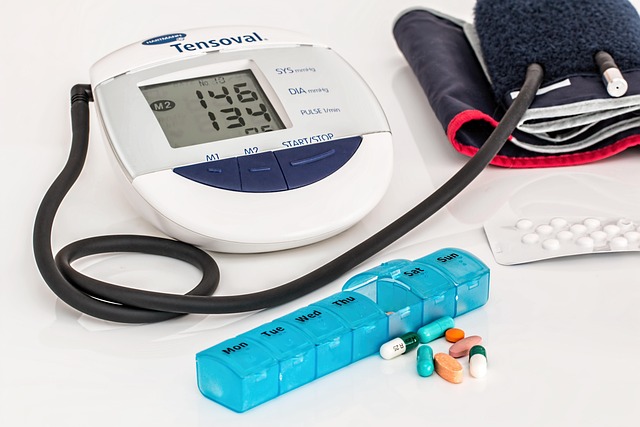
In the realm of healthcare, managing chronic disease care efficiently is a complex challenge. This is where Six Sigma Project Management steps in as a powerful tool to streamline processes and improve patient outcomes. Defining Project Management Frameworks involves establishing clear objectives, structured planning, and systematic execution. By adopting Six Sigma methodologies, healthcare organizations can identify and eliminate root causes of issues, enhancing overall quality of care.
Six Sigma project management case studies in healthcare demonstrate its effectiveness in reducing errors, optimizing treatments, and improving patient satisfaction. These frameworks, often supported by six sigma project management templates, guide healthcare professionals through each phase, ensuring a structured approach to problem-solving. Moreover, six sigma training for healthcare professionals equips them with the skills needed to navigate these complex projects, ultimately leading to better outcomes and more efficient care delivery. Find us at overcome challenges implementing six sigma in healthcare for tailored solutions and support.
Implementing Lean Principles for Efficiency

Implementing Lean Principles for Efficiency in Six Sigma Project Management Healthcare is a strategic approach to enhancing patient care and optimizing operations. By focusing on identifying and eliminating waste, healthcare organizations can streamline processes, reduce errors, and improve overall performance. When to use six sigma in healthcare? The answer lies in scenarios where long wait times plague patients, or administrative tasks burden staff, hindering quality care delivery.
For instance, fix long wait times in healthcare settings by applying statistical process control methods. These tools enable professionals to analyze and understand patient flow dynamics, identify bottlenecks, and make data-driven decisions. Six Sigma certification preparation healthcare involves learning these techniques to give us a call at optimize clinical workflows with statistical process control. Ultimately, this methodology empowers healthcare providers to deliver more efficient, effective, and patient-centric care.
Data Analysis and Quality Improvement

In the realm of healthcare, managing chronic disease care effectively is a complex task that often involves intricate data analysis and continuous quality improvement. Implementing Six Sigma Project Management principles can significantly enhance this process by providing a structured approach to identify and eliminate defects, variations, and inefficiencies within patient care pathways. Through rigorous data-driven methodologies, such as DMAIC (Define, Measure, Analyze, Improve, Control), healthcare organizations can overcome challenges implementing Six Sigma in healthcare, ultimately leading to improved clinical outcomes and enhanced patient satisfaction.
Choosing the right Six Sigma tools for healthcare is crucial. By leveraging advanced analytics and process mapping techniques, healthcare providers can gain valuable insights into current practices and identify areas for improvement. For instance, statistical process control charts and root cause analysis help in monitoring key performance indicators and understanding the underlying causes of issues. Additionally, visiting us at achieving lean and efficient healthcare systems through Six Sigma anytime can provide tailored guidance on selecting tools that align with specific healthcare needs, ensuring that every dollar spent on project management translates to tangible improvements in patient care and operational efficiency.
Six Sigma project management offers a powerful framework for healthcare organizations to navigate the complex landscape of chronic disease care. By implementing lean principles, defining clear project management structures, and leveraging data analysis, medical facilities can significantly improve quality and efficiency. This data-driven approach ensures every patient receives consistent, high-quality treatment, ultimately enhancing overall care outcomes in healthcare.