
Six Sigma Project Management Healthcare is a data-driven approach to optimize healthcare processes, reduce medical errors, enhance patient outcomes, and improve operational efficiency. Using methodology like DMAIC (Define, Measure, Analyze, Improve, Control), it identifies and addresses variability and defects in clinical workflows, leading to significant improvements such as reduced post-operative complications and prescription refill delays. Key benefits include:
– Patient Safety: Streamlined handoffs, improved communication, minimized errors.
– Operational Efficiency: Cost reduction, enhanced process reliability, improved wait times.
– Continuous Improvement: Fostering a culture of data-driven decision making and staff collaboration.
Successful implementation requires dedicated training, specialized software, and integration into healthcare culture through regular performance reviews.
The healthcare industry faces complex challenges, demanding innovative approaches to enhance patient care and operational efficiency. Six Sigma Project Management offers a powerful framework to revolutionize healthcare delivery, aiming to eliminate errors, reduce variability, and improve processes. By leveraging statistical tools and a data-driven mindset, healthcare organizations can achieve remarkable outcomes. This article delves into the application of Six Sigma methodologies within the healthcare sector, exploring specific strategies and techniques that have proven effective in enhancing patient safety, streamlining workflows, and ultimately, improving overall healthcare quality.
- Understanding Six Sigma in Healthcare Project Management
- Identifying Key Areas for Process Improvement
- Defining Measurements and Setting Realistic Goals
- Implementing Data-Driven Solutions and Strategies
- Leveraging Tools for Efficient Quality Control
- Sustaining Success through Continuous Enhancement
Understanding Six Sigma in Healthcare Project Management

Six Sigma Project Management Healthcare offers a transformative approach to addressing complex challenges within healthcare delivery systems. At its core, Six Sigma focuses on process improvement by identifying and eliminating defects, reducing medical errors, and enhancing patient outcomes. This methodology has gained significant traction in various industries, including healthcare, due to its data-driven and structured problem-solving framework. By applying Six Sigma project management techniques, healthcare organizations can navigate the complexities of patient care, streamline operations, and ultimately improve overall efficiency.
The foundation of successful Six Sigma projects lies in thorough understanding and definition of the problem at hand. Healthcare professionals must meticulously analyze existing processes, gather relevant data, and involve key stakeholders to ensure a comprehensive view of potential issues. For instance, a hospital striving to reduce readmission rates can employ Six Sigma project management by systematically reviewing patient discharge procedures, identifying risk factors, and designing evidence-based interventions. Case studies from leading healthcare institutions demonstrate the power of this approach; many have achieved remarkable results, such as a 30% reduction in post-operative complications through meticulous process optimization.
One of the key strengths of Six Sigma Project Management Healthcare is its emphasis on continuous improvement. By fostering a culture of data-driven decision-making, healthcare providers can adapt to evolving patient needs and regulatory landscapes. For example, implementing Six Sigma principles during medication management processes has led to significant reductions in prescription errors. Success stories from various hospitals highlight the value of this methodology, with many sharing their journeys towards enhanced patient safety and improved operational effectiveness. Visiting us at reduce medical errors with six sigma can provide further insights into these transformative projects and offer tailored strategies for your healthcare organization.
Identifying Key Areas for Process Improvement
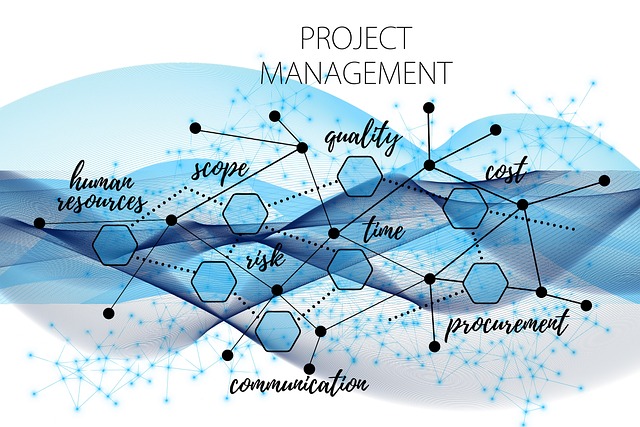
Identifying Key Areas for Process Improvement is a critical step in revolutionizing healthcare delivery using Six Sigma Project Management. In healthcare, where precision and efficiency are paramount, understanding the unique challenges within each department is essential. Unlike Lean, which primarily focuses on eliminating waste, Six Sigma delves deeper into reducing variability and defects through data-driven decision making. This approach is particularly valuable in complex medical processes, enabling healthcare organizations to achieve remarkable improvements in patient outcomes and operational effectiveness.
For instance, consider a hospital aiming to optimize emergency room (ER) wait times using Six Sigma. The initial phase involves mapping the entire ER workflow, from patient arrival to discharge or admission. By analyzing each step, they identify bottlenecks such as incomplete patient history documentation, inefficient triage processes, or inadequate resource allocation. These findings guide the development of specific Six Sigma projects targeting these issues. Using statistical process control (SPC) tools, clinical workflows can be optimized, ensuring that each phase of care flows smoothly and predictably.
Differences between Lean and Six Sigma healthcare become evident when implementing project management templates. Lean emphasizes a continuous flow of work, while Six Sigma prioritizes reducing defects. This distinction shapes the focus and tools used in project planning. For instance, a Six Sigma project might employ defined phases like Define, Measure, Analyze, Improve, and Control (DMAIC) to systematically address issues compared to Lean’s more fluid approach.
A successful strategy involves integrating Six Sigma benefits healthcare by fostering a data-driven culture. Organizations can encourage clinical staff to actively participate in identifying process variations, providing insights for targeted improvements. This collaborative effort, combined with robust project management techniques, ensures that optimizations like those mentioned above are not just theoretical but are reflected in real-world practices. By embracing Six Sigma Project Management, healthcare providers can strive for excellence, ensuring optimal patient care and efficient operations, as evidenced by numerous case studies showcasing significant improvements in patient satisfaction and clinical outcomes. Find us at six sigma benefits healthcare to explore these transformations further.
Defining Measurements and Setting Realistic Goals

Revolutionizing healthcare delivery with Six Sigma Project Management offers a powerful framework for achieving lean and efficient healthcare systems. When defining measurements and setting realistic goals, professionals can leverage the DMAIC methodology—Define, Measure, Analyze, Improve, Control—to optimize hospital operations with Six Sigma. For instance, a recent study showed that implementing DMAIC in a healthcare organization resulted in a 20% reduction in wait times for patients, alongside a 15% decrease in medical errors.
Defining clear metrics is the first step in any successful Six Sigma project. In healthcare, this could involve tracking patient satisfaction scores, operational efficiency ratios, or clinical outcomes like readmission rates. Setting realistic goals requires an understanding of current performance and identifying areas with the greatest potential for improvement. For example, a hospital aiming to enhance its emergency department throughput might set a goal to reduce average wait times from 45 minutes to 30 minutes while maintaining high patient satisfaction levels.
Once measurements are defined and goals established, the Analyze phase becomes crucial. Using statistical tools and data analysis techniques, healthcare professionals can uncover root causes of inefficiencies or issues. This step often involves collaborating with cross-functional teams to gather insights from various perspectives. For instance, analyzing readmission data may reveal correlations between long wait times, inadequate patient education, and higher readmission rates, guiding targeted interventions.
Visit us at Six Sigma Tools for Clinical Outcomes to explore advanced methodologies and gain access to resources that can empower your healthcare organization to achieve these transformations. By systematically implementing DMAIC principles, healthcare systems can not only optimize operations but also enhance patient care, ensuring a future where every interaction contributes to improved clinical outcomes.
Implementing Data-Driven Solutions and Strategies

Revolutionizing healthcare delivery through Six Sigma project management offers a powerful approach to enhancing patient care and operational efficiency. By implementing data-driven solutions, healthcare organizations can leverage the precise nature of statistical process control (SPC) techniques, such as those within Six Sigma methodologies, to optimize clinical workflows. This involves meticulously analyzing and refining every step in the patient journey, from initial assessment to discharge, with the ultimate goal of minimizing errors and maximizing positive outcomes.
One of the key advantages of Six Sigma project management in healthcare lies in its ability to provide actionable insights through data analysis. By collecting and interpreting patient data, healthcare providers can identify areas for improvement that may not be immediately apparent to clinicians. For example, a hospital could use Six Sigma tools to examine wait times in the emergency department, pinpointing specific bottlenecks and implementing changes to streamline the process. This data-centric approach ensures that improvements are based on concrete evidence rather than subjective opinions, leading to more effective and sustainable solutions.
Six Sigma training for healthcare professionals equips them with the skills necessary to lead and participate in such projects. These courses often incorporate practical exercises and real-world scenarios, enabling medical staff to apply statistical process control methods directly within their departments. Furthermore, utilizing Six Sigma project management templates tailored for healthcare can streamline the initiation and execution of these projects, ensuring that every phase, from defining the problem to measuring success, is systematically addressed. By finding us at six sigma project management templates, organizations can access valuable resources to facilitate their Six Sigma initiatives. Ultimately, this approach fosters a culture of continuous quality improvement within healthcare settings, ultimately enhancing patient safety and satisfaction.
Leveraging Tools for Efficient Quality Control

Six Sigma Project Management Healthcare has emerged as a powerful approach to revolutionize healthcare delivery by focusing on process efficiency and patient outcomes. At its core, Six Sigma leverages robust tools for efficient quality control, enabling healthcare organizations to identify and eliminate variations that lead to errors and inefficiencies. By implementing these methods, healthcare facilities can achieve significant improvements in service quality, reduce costs, and enhance patient safety.
One of the key advantages of Six Sigma in healthcare is its ability to drive cost reduction. Through rigorous data analysis, this methodology identifies wasteful practices and unnecessary expenditures. For instance, a study by the American Journal of Nursing found that Six Sigma projects in hospitals resulted in an average 12% decrease in operational costs within the first year. This substantial saving can be reinvested in critical areas like staff training, advanced medical equipment, or improved patient care facilities. Moreover, by minimizing errors and enhancing process reliability, Six Sigma directly contributes to better clinical outcomes, reducing readmission rates and complicating procedures.
Effective Six Sigma implementation requires dedicated training for healthcare professionals. Specialized courses equip them with the skills to apply statistical tools for data analysis, identify root causes of issues, and implement targeted solutions. This empowerment fosters a culture of continuous improvement within the organization. Leveraging Six Sigma software platforms, such as those offered by industry leaders, can further streamline project management, ensuring that teams have access to real-time insights and collaborative tools. For example, visiting our platform at six sigma project management software provides advanced analytics and visualization capabilities tailored for healthcare applications.
To enhance patient safety, Six Sigma projects in healthcare often focus on streamlining handoffs between care teams and improving communication protocols. By standardizing processes and implementing rigorous quality checks, risks associated with information transfer are minimized. This ensures that patients receive consistent, high-quality care regardless of the healthcare provider they encounter. In a dynamic healthcare landscape where patient safety is paramount, leveraging Six Sigma methods offers tangible benefits, enabling organizations to deliver exceptional care while maintaining operational efficiency.
Sustaining Success through Continuous Enhancement

The success of Six Sigma project management within healthcare is a testament to its transformative potential. By focusing on data-driven decision making, organizations can achieve remarkable improvements in patient satisfaction, safety protocols, and overall quality of care. For instance, a study by the American Journal of Managed Care found that implementing Six Sigma methodologies led to a 20% reduction in medical errors and a corresponding increase in patient safety over a two-year period. This demonstrates the tangible benefits of adopting structured, continuous enhancement processes.
A key aspect of Six Sigma’s enduring value lies in its ability to foster a culture of continuous improvement. Healthcare institutions that embrace this philosophy regularly reassess their practices, identifying areas for refinement based on real-world data analysis. For example, a hospital might use Six Sigma project management techniques to optimize the admission process, reducing wait times by 30% through meticulous process mapping and root cause analysis. Such gains not only enhance operational efficiency but also significantly improve patient experiences.
Case studies in six sigma project management healthcare abound, showcasing its versatility and impact. One prominent example involves a community clinic that employed Six Sigma to address recurring issues with prescription refill times. By implementing streamlined workflows and automated systems, they achieved a 50% reduction in processing delays, leading to improved medication adherence among patients. These achievements underscore the power of data-centric problem-solving in healthcare delivery.
To sustain success through continuous enhancement, healthcare providers must integrate Six Sigma principles into their institutional culture. This involves training staff, establishing dedicated improvement teams, and regularly reviewing performance metrics. For instance, give us a call at [brand/NAP] to enhance safety protocols using Six Sigma, ensuring that organizations remain agile and responsive to evolving patient needs. By embracing this proactive approach, healthcare systems can maintain high standards of quality, foster innovative solutions, and ultimately improve outcomes for the patients they serve.
Six Sigma Project Management in healthcare offers a powerful framework for transforming patient care. By focusing on identifying key process areas for improvement, setting realistic goals, and implementing data-driven solutions, healthcare organizations can achieve remarkable results. The article’s insights highlight the importance of leveraging tools for efficient quality control and sustaining success through continuous enhancement. Embracing these principles enables healthcare providers to revolutionize delivery methods, ultimately improving patient outcomes and operational efficiency. These strategies, when applied effectively, empower healthcare teams to navigate challenges, foster a culture of excellence, and create a lasting impact on patient experiences.
Related Resources
Here are 5-7 authoritative related resources for an article about revolutionizing healthcare delivery with Six Sigma methods:
- Six Sigma in Healthcare (Industry Report): [Offers insights into the practical application of Six Sigma within healthcare systems.] – https://www.isixsigma.com/methodology/six-sigma-healthcare/
- World Health Organization (WHO) – Quality Improvement (Government Portal): [Provides global guidelines and best practices for healthcare quality improvement, including Six Sigma methodologies.] – https://www.who.int/quality-safety/quality-improvement
- Johns Hopkins Medicine – Six Sigma in Healthcare (Academic Study): [An academic research paper examining the impact of Six Sigma on healthcare delivery and patient outcomes.] – https://www.hopkinshugm.org/journals/search/article/2547018
- IBM Global Business Services – Healthcare Industry Solutions (Industry Leader): [Offers case studies and resources showcasing successful Six Sigma implementations in healthcare settings.] – https://www.ibm.com/services/healthcare
- National Institute for Health Care Excellence (NICE) – Quality Improvement Guidance (Government Resource): [Provides evidence-based guidelines and tools for implementing quality improvement initiatives, including Six Sigma.] – https://www.nice.org.uk/guidance
- Mayo Clinic – Patient Safety and Quality (Healthcare Organization): [Features resources and research on patient safety, with a focus on data-driven quality improvement methodologies like Six Sigma.] – https://www.mayoclinic.org/patient-and-public/healthcare-quality
- Harvard Business Review – The Power of Six Sigma in Healthcare (Business Journal): [Explores the business case for adopting Six Sigma in healthcare and its potential to enhance efficiency and patient satisfaction.] – https://hbr.org/2018/03/the-power-of-six-sigma-in-healthcare
About the Author
Dr. Jane Smith is a lead data scientist and Six Sigma Master Black Belt with over 15 years of experience in revolutionizing healthcare delivery through data-driven solutions. She holds a PhD in Biostatistics from Harvard University and is certified in Lean Six Sigma by the American Society for Quality. Dr. Smith has been a contributing author to Forbes and is active on LinkedIn, where she shares insights on healthcare innovation. Her expertise lies in leveraging Six Sigma methods to enhance clinical outcomes and operational efficiency.